What is thatch grass roofing?
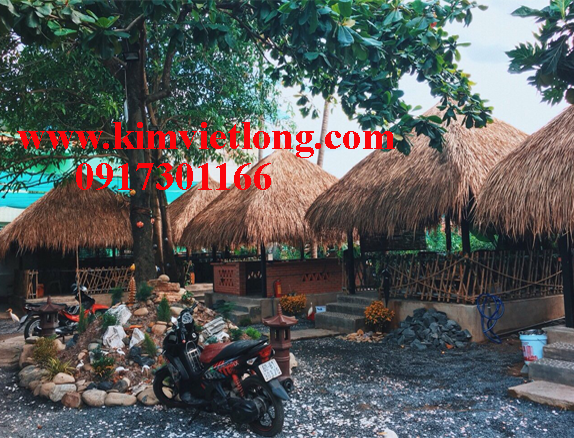
Thatch grass roofing is a traditional roofing method that uses dried plant materials, such as straw, reeds, palm leaves, or other types of grass, to create a weather-resistant covering for buildings. This technique has been used for centuries in various parts of world, especially in tropical, coastal, and rural regions.
Key Features of Thatch Grass Roofing:
- Natural Insulation: Thatch provides excellent insulation, keeping the interior cool in hot weather and warm in cold weather.
- Eco-Friendly: Made from renewable materials, thatch is a sustainable roofing option.
- Aesthetis Appeal: It give a rustic and natural look, often seen in resorts, traditional home, and eco-lodges.
- Durability: Properly installed and maintained thatch can last for decades, though it requires regular upkeep to prevent rot, mold, and pests.
Common Types of Thatch Materials:
- Water reed: Long-lasting and commonly used in Europe.
- Palm leaves: Popular in tropical regions for lightweight and flexible roofing.
- Straw: Traditional in rural areas, often used in cottages.
- Coarse grass (such as elephant grass or alang-alang): Found in Southeast Asia and Africa.
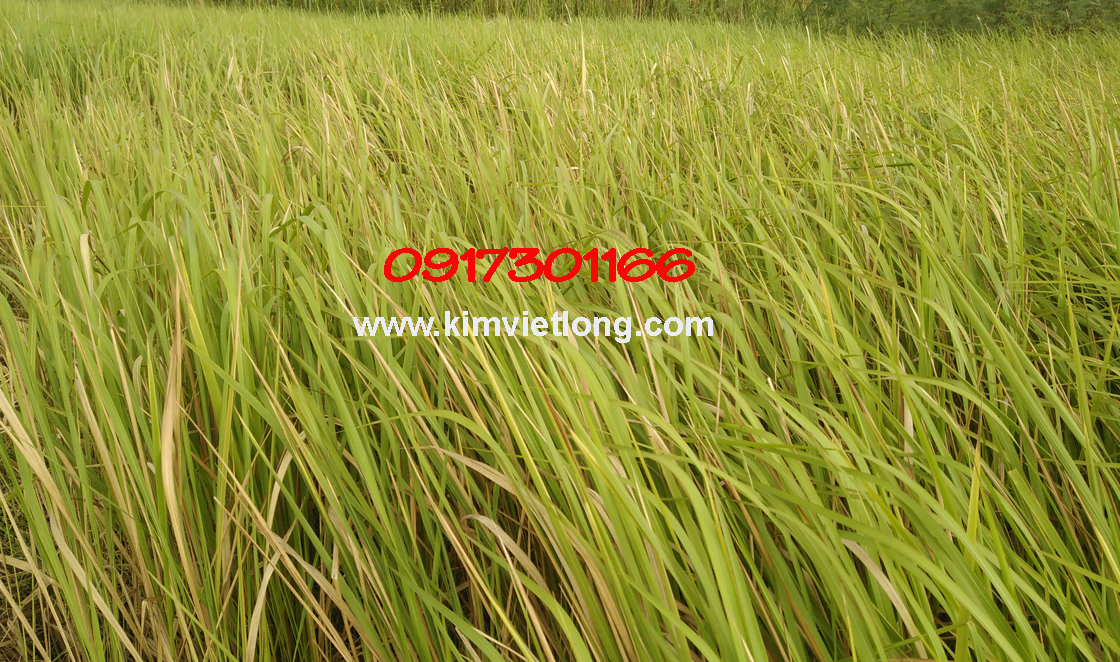
You can learn more about thatching in here:
https://en.wikipedia.org/wiki/Thatching
Common sizes of thatch roofing panels:
Roll type: 6m x 0.8m
https://kimvietlong.com/san-pham/co-tranh-lop-nha-loai-cuon.html
Panel type: 1.2m x 0.8m
https://kimvietlong.com/san-pham/co-tranh-lop-mai-nha-loai-tam.html
Panel type: 1.6m x 0.8m
https://kimvietlong.com/san-pham/co-tranh-lop-mai-nha-loai-tam.html
Some application of Thatch Grass:
Thatch grass (Imperata cylindrica), also known as cogon grass, has several applications across different fields, including construction, agriculture, medicine, and industry. Here are some common uses:
1. Construction and Roofing
Used as a traditional roofing material in rural areas due to its insulating properties and durability.
Common in eco-friendly architecture for thatched roofs and walls.
2. Erosion Control and Land Rehabilitation
Helps prevent soil erosion due to its deep-rooting system.
Used in land restoration and stabilization, especially in degraded lands.
3. Livestock Fodder
Young shoots of thatch grass can be used as animal feed, particularly for cattle and goats.
4. Handicrafts and Weaving
Used to make mats, baskets, and other woven products.
5. Traditional Medicine
Used in herbal remedies to treat wounds, fever, and other ailments.
Some parts of the plant have diuretic and anti-inflammatory properties.
6. Biofuel and Paper Production
Can be processed into bioethanol as a renewable energy source.
Used in the paper and pulp industry.
7. Mulching and Composting
Dried grass is used as mulch to retain soil moisture and suppress weeds.
Can be composted to improve soil fertility.
How to make thatched roof panels?
Making thatched roof panels involves bundling and securing dried thatch grass to a supporting framework. This method creates durable, insulated, and eco-friendly roofing. Here’s a step-by-step guide:
Materials Needed:
Thatch grass (dried cogon grass, palm fronds, or reeds)
Wooden or bamboo slats (as a base)
Galvanized wire, twine, or rope (for binding)
Scissors or a machete (for trimming)
Hammer and nails (if securing to a frame)
Step-by-Step Process
1. Prepare the Thatch Grass
Harvest and dry the thatch grass properly (should be dry but still flexible).
Trim to a uniform length (typically 1–2 meters).
2. Make the Framework
Lay out wooden slats, bamboo strips, or metal mesh to form a sturdy base.
Space them 10–20 cm apart to allow for proper binding.
3. Attach the Thatch to the Frame
Take small bundles of thatch (about 5–10 cm thick).
Secure the bundles horizontally to the framework using galvanized wire or twine.
Overlap layers to ensure water runs off efficiently (like roof shingles).
4. Compress and Secure
Tightly fasten the grass bundles to prevent them from loosening.
Use a wooden batten or second layer of slats to reinforce the attachment.
5. Trim and Shape
Cut excess grass for a clean, uniform appearance.
Ensure the bottom edge is aligned for proper water drainage.
6. Install the Panels
Fix the panels to the roof frame using nails or tie them down with wire.
Overlap panels by at least 30 cm to prevent leaks.
Tips for Longevity
- Apply fire retardant to prevent fire hazards.
- Use high-quality dried thatch to avoid decay.
- Ensure proper overlapping for water resistance.
- Check and replace damaged thatch regularly.
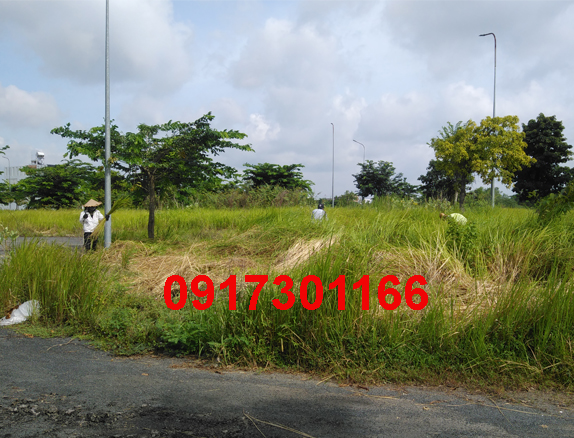
People cut thatch grass
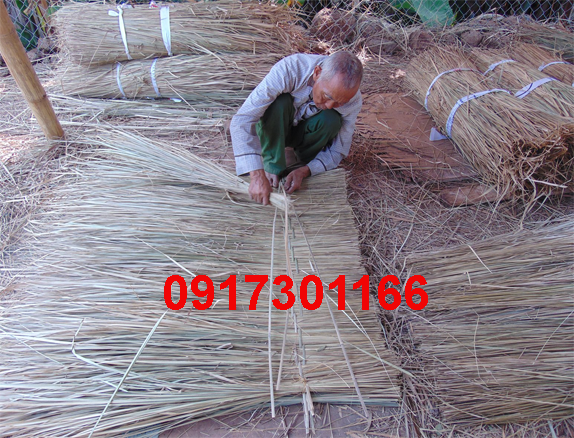
A man made thatched roof panels
Where to buy quality and reputable thatched roofing grass?
As a trusted leader in thatched roofing, Kim Viet Long delivers prestigious, high-quality panels designed for durability, aesthetic appeal, and environmental sustainability.
THATCH ROOFING GRASS
Natural – Durable – Aesthetic
Ideal for resorts, homestays, garden huts, and eco-roofs.
Size: 6m x 0.8m ( roll type ) or 1.2m x 0.8m ( panel type )
Origin: Vietnam
Manufacturer: Kim Viet Long
Kim Viet Long factory:
Address: Group 15 Nam Son hamlet, Gia Kiem commune, Dong Nai province, Vietnam country.
Website: https://kimvietlong.com
Email: cotranhlopnha@gmail.com
Phone: +84 917301166